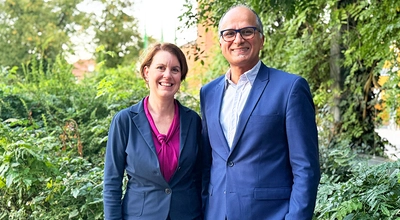
Exploring Materials, Methods, and New Perspectives at Clemson University
Merle Wellmann | Fulbright Visiting Researcher 2026 | Leibniz University Hannover
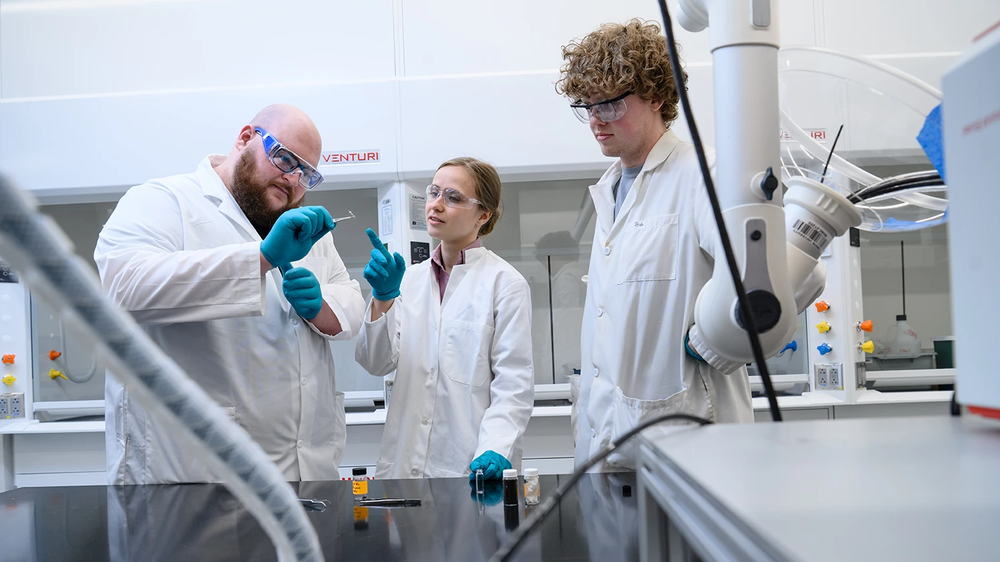
"Since mid-January 2026, I have been conducting research as a Fulbright Visiting Scholar at Clemson University, where I will stay until mid-May Hosted by the Department of Materials Science and Engineering, I am working in the research group of Professor Kyle Brinkman at the newly established Advanced Materials Innovation Complex (AMIC), an interdisciplinary research environment that brings together expertise across engineering and materials science.
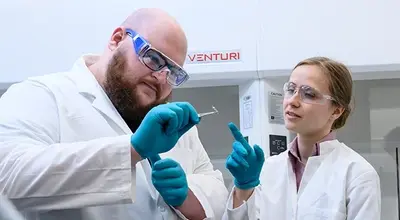
My doctoral research focuses on advanced ceramic materials for next-generation energy technologies, particularly solid oxide systems. At Clemson, I have the opportunity to investigate these materials under conditions that are difficult to realize in many laboratories. A central part of my work here is the application of electrical conductivity relaxation (ECR), a specialized technique used to study oxygen transport properties in ceramics. While ECR offers unique insights and has proven to be highly valuable for my research, it is also methodologically challenging, particularly in terms of data analysis. The strong support and expertise within the research group have been essential in navigating these complexities and further developing my experimental approach. From the very beginning, I experienced an open and welcoming environment, where colleagues showed genuine interest in my work and were eager to exchange ideas, making it easy to connect and collaborate.
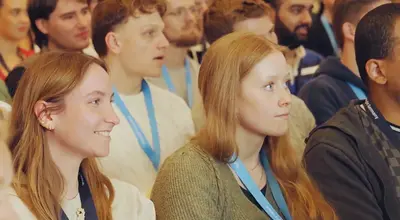
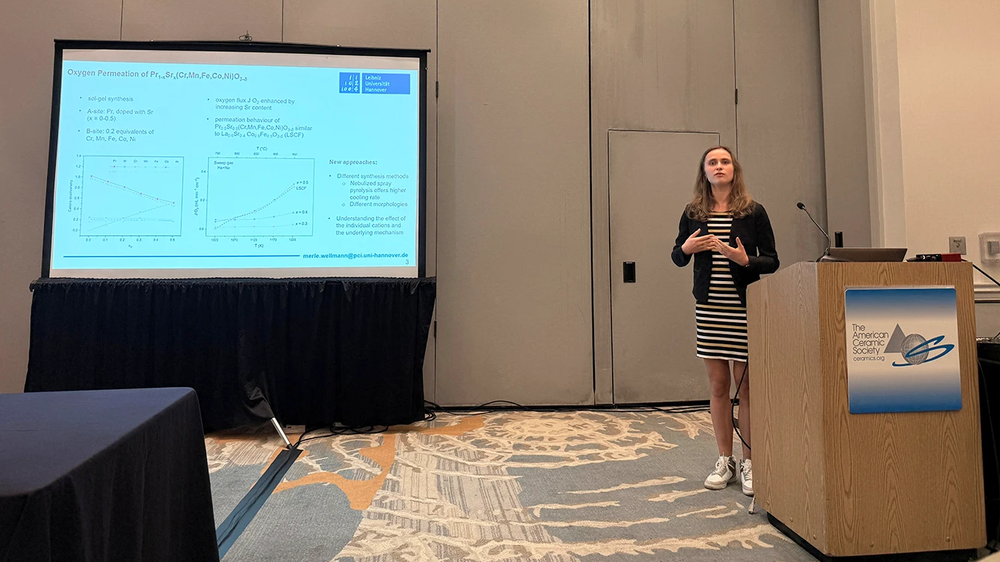
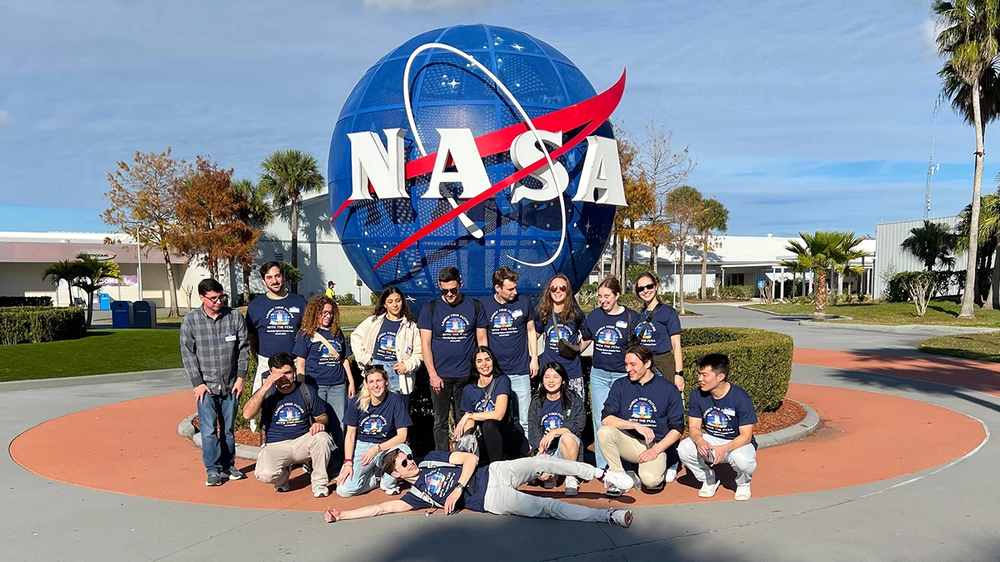
As a great start to my research stay in the United States, I attended the International Conference on Advanced Ceramics and Composites 2026 in Daytona Beach, Florida just two weeks after my arrival. The conference began with a visit to the Kennedy Space Center, which created an open and engaging setting to connect with other early-career researchers. These initial conversations carried into the conference itself, where I had the opportunity to discuss my research in greater depth during both a poster pitch and the subsequent presentation. This experience not only strengthened my confidence in presenting my work but also motivated me to further explore and better understand my materials. In the coming weeks, I will present my research again at the 19th Annual Materials & Optics Poster Symposium at Clemson University, continuing the academic exchange on campus.
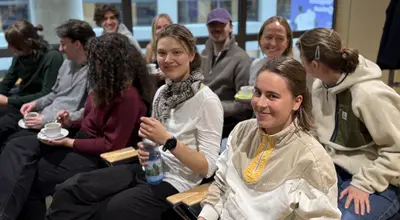
Beyond my research, I participate in Clemson’s Conversation Partner Program, which brings together domestic and international students for regular informal conversations. This experience has been especially meaningful to me, as it connects closely to my previous involvement in a similar peer program at my home university and highlights the role of communication in building academic and cultural bridges.
Life at Clemson extends well beyond the laboratory. The university offers a wide range of events that make it easy to connect with others and experience campus culture. I have attended various sports events, explored new activities such as cricket and henna art, and continue to appreciate the openness and curiosity of the people I meet. These everyday interactions complement my academic experience and contribute to a broader understanding of university life in the United States.
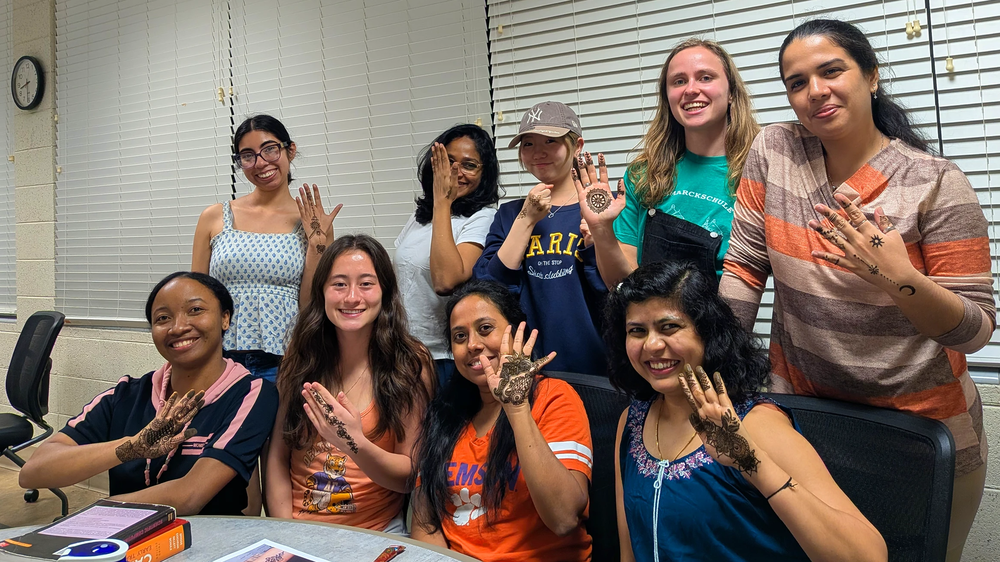
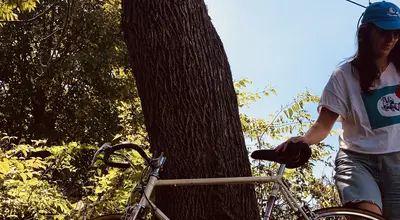
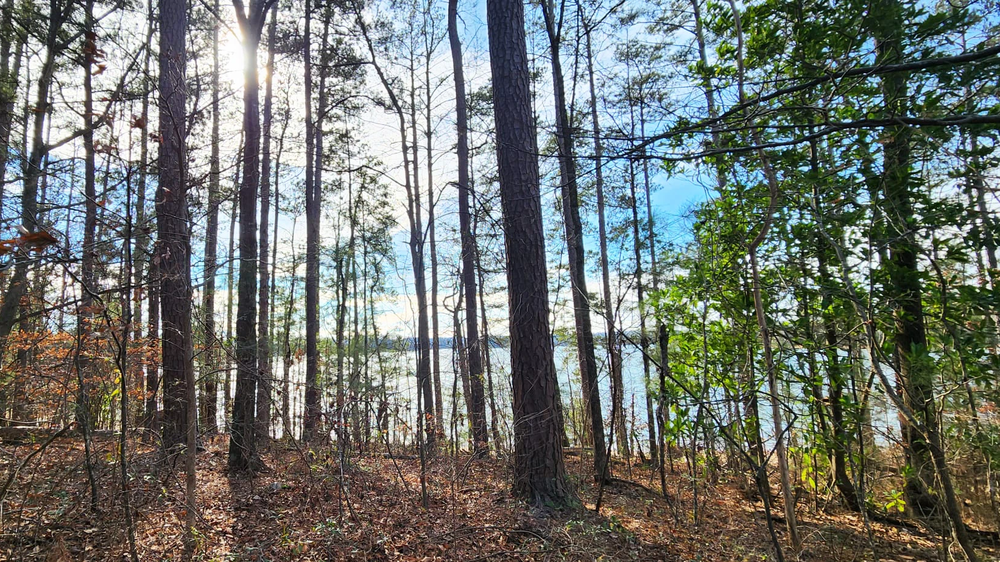
As my stay is still ongoing, I continue to develop both my research and my perspective on international collaboration. Working in a new academic environment, engaging with different methodologies, and navigating challenges such as complex experimental techniques have all contributed to my growth as a researcher. At the same time, moments outside the lab, whether in conversation programs, at campus events, or during a walk by the nearby lake that occasionally becomes my "outdoor office", have shaped my experience in equally important ways.
My Fulbright stay at Clemson University is thus not only advancing my dissertation project but also deepening my appreciation for interdisciplinary research, international exchange, and the diverse forms that academic learning can take."